
Why Branded Video Production Is Essential for Modern Businesses
Attention is hard to earn and easy to lose. A person can scroll past dozens of posts, ads, clips, reviews, and product pages in a few minutes. In that kind of environment, a business cannot rely on a nice logo, a clever tagline, or a list of features alone.
People need to understand what the business does. They also need to feel why it matters.
That is where video has become so valuable. A strong brand video can show the people, purpose, process, and promise behind a company in a way that text often cannot. It can turn a simple message into something viewers can remember, share, and act on.
For modern businesses, branded video production is no longer a luxury reserved for large companies. It is a practical way to build trust, explain value, and create a stronger connection with the right audience.

Video helps people understand a business faster
Most businesses have more to say than a headline can hold. They may need to explain a service, introduce a team, show a process, or make a new idea feel simple. Video can do all of that quickly because it combines visuals, sound, pacing, voice, and emotion.
A viewer can see the product in use. They can hear the tone of the company. They can watch how a service works instead of reading several paragraphs about it. That makes video especially helpful for businesses that offer something complex, personal, technical, or experience-based.
For example, a home renovation company can show the care that goes into a project from the first walkthrough to the final finish. A software company can use motion graphics and screen clips to explain how a tool fits into a daily workflow. A nonprofit can introduce the people behind its mission and show the real-world impact of its work.
The point is not to say everything. The point is to make the message easier to grasp.
A good brand video answers questions such as:
What does this company do?
Who does it help?
What problem does it solve?
What makes the experience different?
Why should someone trust it?
When a video answers those questions clearly, it gives people a reason to stay interested.
A brand video makes values visible
Many companies talk about their values. Fewer show them well.
Words like quality, care, sustainability, creativity, and service can feel vague when they sit alone on a website. Video gives those ideas shape. It can show a maker choosing materials with care, a technician checking details, a founder explaining why the company exists, or a customer using the product in a real setting.
This matters because people often judge a business by what they can see and feel. If a company says it is thoughtful, the video should feel thoughtful. If it says it is precise, the visuals should show precision. If it says it is warm and personal, the people and pacing should reflect that.
A professional video also helps remove doubt. Viewers can see that there is a real team, a real process, and a real point of view behind the business. That can be especially useful for newer companies that have not yet built broad public recognition.
Trust grows when the message and the experience match. A polished but honest video can help create that match.

Professional production raises the quality of the message
A strong idea still needs careful execution. Poor lighting, unclear audio, awkward pacing, or confusing visuals can weaken even the best message. Viewers may not be able to name what feels wrong, but they will notice when a video feels rushed or unclear.
Professional production brings structure to the process. It turns broad ideas into a focused story with a beginning, middle, and end. It also makes sure the technical details support the message rather than distract from it.
That usually includes:
Planning the concept and key message
Writing or shaping the script
Choosing the right locations and visuals
Capturing clean sound and strong footage
Directing interviews or on-camera moments
Editing for pacing, clarity, and emotion
Adding music, captions, colour, and graphics where needed
This is where an experienced video production company can make a clear difference. The right team does more than bring cameras. It helps decide what the video should say, what it should leave out, and how each scene should move the viewer closer to the intended action.
That planning matters because branded video is not just decoration. It has a job to do.
A launch video may need to spark interest. A company overview may need to build credibility. A campaign video may need to create emotional buy-in. A recruitment video may need to attract people who share the company’s values. Each goal calls for a different structure and tone.
Professional production keeps the video focused on that goal.
Story gives the audience something to remember
Facts are useful, but stories are easier to remember. A list of features may explain what a company offers. A story can show why those features matter in someone’s life.
A brand story does not need to be dramatic. It can be simple and grounded. The best stories often come from real moments:
A founder noticing a problem and deciding to solve it
A customer finding relief, confidence, or convenience
A team refining a process over time
A product moving from idea to finished result
A community benefiting from a service
These stories help the audience understand the business through people and outcomes. They make the message feel less abstract.
For instance, imagine two videos for a local food producer. One lists ingredients, packaging details, and distribution points. The other follows the grower through the morning harvest, shows the product being prepared, and includes a short reflection on why freshness matters. Both videos can share facts. The second one gives the audience a reason to care.
That emotional connection does not require exaggeration. In fact, it works best when it feels honest. Modern viewers are quick to notice content that feels forced or overly scripted. A good brand video should feel clear, human, and true to the business.
Video can support many parts of the business
A well-made brand video can work across many channels and situations. It can sit on a homepage, support a sales conversation, introduce a new product, strengthen a funding pitch, help recruit staff, or anchor a campaign.
That flexibility makes video a useful long-term asset.
One main video can often be edited into shorter cuts for different uses. A two-minute company story might become a shorter website header video, a recruitment clip, a product-focused edit, or a few short social clips. The core story stays the same, but the format changes to suit the setting.
This matters because people meet a business in different places. Someone may first see a short clip, then visit the website, then watch a longer video before making contact. Strong video content helps keep the message consistent across those touchpoints.
It can also support teams inside the business. Sales teams can send a short explainer before a call. Human resources teams can use a culture video during hiring. Customer support teams can share product walkthroughs. Leadership teams can use video to introduce major changes or campaigns.
Good video keeps working after the first publish date. It becomes part of the company’s communication toolkit.
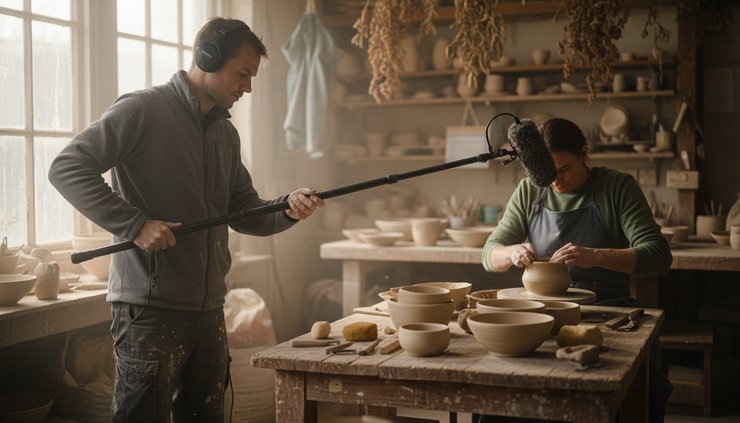
The best videos start with a clear purpose
Before planning a brand video, a business needs to know what the video should achieve. Without a clear purpose, the final piece can become too broad. It may look good, but fail to guide the viewer.
A focused video starts with a few practical decisions.
Define the audience
The audience shapes the message. A video for potential customers will differ from a video for investors, job candidates, donors, or internal teams.
A customer-facing video may focus on problems, outcomes, and trust. A recruitment video may focus on culture, values, and the type of work people will do. A corporate campaign may focus on a bigger idea or change in direction.
The clearer the audience, the easier it becomes to choose the right story.
Choose one main message
A common mistake is trying to fit every detail into one video. That usually leads to a crowded result.
A strong video often has one main message supported by a few proof points. For example:
We make a complex process simple.
We care about craftsmanship.
We help customers save time.
We are built around personal service.
We are ready for the next stage of growth.
Once the main message is clear, every scene should support it.
Decide what action should come next
A video should make the next step feel natural. That action might be booking a consultation, learning more, applying for a role, visiting a product page, or simply remembering the company.
The call to action does not need to be loud. It just needs to match the purpose of the video.
Authenticity matters more than overproduction
Production quality matters, but expensive visuals alone do not make a video effective. Viewers connect with clarity, honesty, and relevance.
A video can be beautifully shot and still miss the mark if the message feels empty. By contrast, a simple interview with strong lighting, clear sound, and a thoughtful story can be powerful.
The goal is to create a video that feels true to the business. That means choosing locations, people, music, and pacing that fit the brand’s real character. A family-run company should not feel like a multinational firm unless that truly reflects its identity. A technical company should not hide its expertise behind vague lifestyle clips. A community organization should not lose its human warmth in overly polished scenes.
Authenticity also means featuring real details. Show the workshop, the field, the studio, the equipment, the product, the customer experience, or the problem being solved. Specific details make a video more believable.
People do not need perfection. They need a reason to believe the story.

What modern businesses gain from strong brand video
The value of brand video is not limited to visibility. It can shape how people understand and remember a company.
A strong video can help a business:
Build trust
Clarify the offer
Create emotional connection
Support sales and recruitment
Strengthen campaigns
Real footage and real voices can make the company feel more credible.
Viewers can understand a product, service, or process faster.
Story, sound, and visuals can make the message more memorable.
Teams can use video to introduce the company with consistency.
A central video can guide the look and feel of related content.
These benefits matter for companies of many sizes. A start-up may use video to explain its purpose and gain early trust. An established business may use it to refresh public perception. A national organization may use it to align teams and audiences around a shared message.
The key is to treat video as a strategic communication tool, not just a creative extra.
How to approach a brand video project
A successful project does not start with cameras. It starts with questions.
Before production begins, it helps to define:
The main goal of the video
The audience it needs to reach
The core message
The tone and emotional feel
The people, places, or processes that should appear
The platforms where the video will be used
The length and versions needed
The timeline for launch or campaign use
From there, the creative team can shape a concept that fits the business. That might involve interviews, scripted voiceover, documentary-style footage, product scenes, animation, or a mix of formats.
The best projects allow enough time for planning. A rushed shoot can still produce footage, but thoughtful pre-production helps make sure the footage has purpose. It also helps avoid common problems, such as unclear messaging, missing shots, or edits that feel disconnected.
Good planning creates room for creativity because the team knows what the video needs to achieve.
A memorable business needs a memorable story
Modern businesses compete for attention, but attention alone is not the real goal. The real goal is understanding, trust, and connection.
A well-crafted brand video can help deliver all three. It can introduce a company in a human way, explain what makes it valuable, and give people a clear reason to remember it. Whether the business is new, growing, or ready for a major campaign, video can turn its message into something people can see and feel.
The strongest brand videos do not simply look polished. They say something true, say it clearly, and leave the audience with a stronger sense of who the business is.


Comments